Data Center Resource Hub
Below are resources that may be useful to our members as they navigate data center development in their communities:
Data Center Debrief: Information & Considerations for the Tampa Bay Region
TBRPC’s Data Center Debrief provides overview of data center types and the noise, water, and heat impacts of large and hyperscale facilities, with mitigation strategies and policy considerations for Tampa Bay local governments.
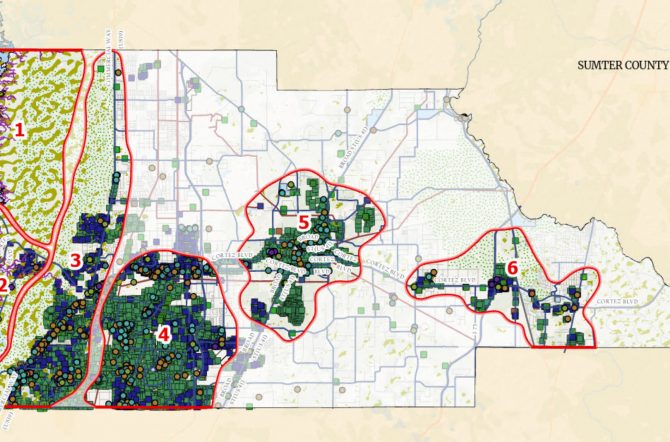
TBRPC’s Data Center StoryMap compares Tampa Bay’s current data center landscape to hyperscale data centers across the U.S.
Sample Ordinances and Local Government Zoning Policy
- Fredericksburg, VA has developed an extensive website page that includes their original ordinance language, research, and updates on their consideration of a data center overlay.
- Loudon County, VA has a website page with resources on the history of data centers in the community, and infrastructure studies and mapping.
- Chandler, Arizona codified one of the nation’s first data-center specific ordinances that defines the location and operation of data centers, as well as detailed communications protocol, a pre-construction sound study requirement, and sound mitigation measures.
Other Policy and Revenue Resources
- Prince William County’s 2024 Data Center Development Tax Revenue Report
- Henrico County, VA is allocating data center development revenue to a new affordable housing trust fund.
Other Resources
- The Physical Footprint of Artificial Development – APA Zoning Practice
- Helping Communities Understand the Data Center Boom and Community Strategies to Address Data Center Development and Operations– National League of Cities
- Energy Open Infrastructure Map – United States
- Myths vs. Reality: Data Centers And Water Usage – KETOS
- Turning the Data Center Boom Into Long-Term, Local Prosperity and How Community Benefit Agreements Can Mitigate Public Concerns About Data Centers – Brookings Institute
- Potential Impacts of Data Center Development on Florida Communities: Issues for State and Local Policymakers – 1000 Friends of Florida
- Data Center Planning Resources for EDDs and RDOs – National Association of Development Organizations
Staff Contact
Cara Woods Serra, AICP
Planning Director/Deputy Executive Director
cara@tbrpc.org
Erosion Control
Provides effective erosion control, safeguarding coastal areas from the impacts of storms and tidal action.
Water Quality Improvement
The vegetation in living shorelines acts as a natural filter, improving water quality by trapping sediments and pollutants.
Biodiversity
By creating a more natural habitat, living shorelines support a diverse array of plant and animal species, contributing to a healthier and more resilient ecosystem.
Aesthetic Appeal
Enhances the aesthetic value of coastal areas, creating picturesque landscapes for recreation and appreciation.
Grey Techniques
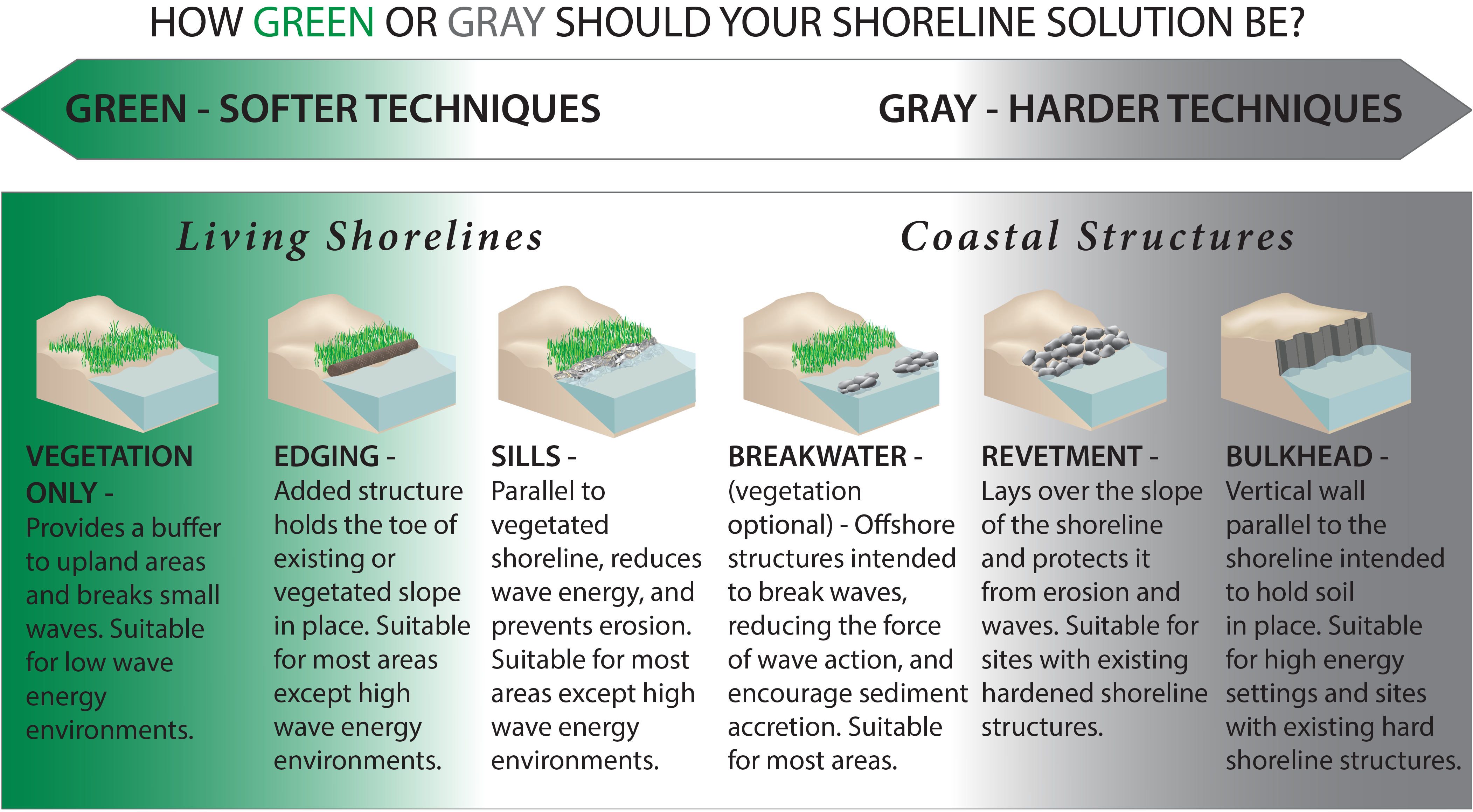
Grey infrastructure involves conventional, engineered structures such as seawalls, bulkheads, and levees. These structures are designed to control water flow, prevent erosion, and protect human development from natural forces. Typically, grey infrastructure involves rigid materials such as concrete or steel.
Erosion Control
Provides immediate and effective protection against erosion and flooding.
Wave Energy Reduction
Often used in densely populated areas where the focus is on safeguarding property and infrastructure.
Decision Support Tools
- Model Shoreline Ordinance Template
- Florida Administrative Code 62-330.051: Exempt Activities
County Resources



Frequently Asked Questions About Living Shorelines
A living shoreline is a protected, stabilized coastal edge made of natural materials such as plants, sand, or rock. It promotes ecosystem health, reduces erosion, and provides habitat for marine life.
Living shorelines use natural elements like vegetation and oyster reefs to stabilize the shoreline, while traditional methods often involve hard structures like seawalls or bulkheads, which may contribute to erosion and disrupt ecosystems.
Living shorelines provide habitat for marine life, improve water quality, and enhance resilience to storms and climate change. They also reduce erosion, preserving the natural dynamics of coastal ecosystems.
Yes, living shorelines can act as a natural buffer against storm surge and flooding by absorbing wave energy and reducing the impact on coastal areas.
Yes, permits are typically required for living shoreline projects. Regulations vary by location, so it’s important to consult with local environmental agencies and obtain the necessary permits.
Native salt-tolerant plants such as marsh grasses, mangroves, and other coastal vegetation are commonly used in living shorelines. These plants help stabilize the shoreline and provide essential habitat.
The establishment time varies, but it may take a few growing seasons for plants to become established and for the living shoreline to achieve its full potential. Monitoring and maintenance are crucial during this period.
Yes, living shorelines can be adapted for urban environments. Green infrastructure elements, such as vegetated buffers and permeable surfaces, can be integrated to enhance resilience in urban coastal areas.
Some regions offer grants, subsidies, or tax incentives for implementing living shorelines as they contribute to environmental conservation and provide natural coastal protection. Check with local authorities for available incentives.
You can start by raising awareness about the benefits of living shorelines, participating in community discussions, and collaborating with local environmental organizations. Additionally, consider attending workshops or seeking guidance from experts in the field.
In some cases, living shorelines may integrate grey infrastructure like bulkheads to provide additional stabilization. However, a hybrid approach is often recommended, combining both natural and built elements for enhanced effectiveness.
Bulkheads may cause increased erosion in adjacent areas, disrupt natural habitat, and hinder the migration of aquatic species. Over time, they can also degrade and require maintenance or replacement.
Integrating living elements with bulkheads combines the stability of built structures with the ecological benefits of natural features, providing effective protection while supporting biodiversity and ecosystem health.
Yes, guidelines exist to ensure that the design of hybrid living shorelines with bulkheads considers environmental impacts, maintains habitat connectivity, and minimizes disruption to coastal ecosystems. Consult with experts and regulatory agencies during the planning phase.
The cost can vary depending on the specific project, but in some cases, hybrid approaches may be more cost-effective over the long term due to reduced maintenance requirements and the added benefits of ecosystem services.
Yes, environmentally friendly bulkhead designs exist, such as using materials that mimic natural habitats or incorporating features that provide habitat for marine life. These designs aim to minimize ecological impact while still providing the necessary protection.
Yes, obtaining permits is crucial when incorporating bulkheads into living shoreline projects. Regulations may vary, so working closely with environmental agencies and obtaining the necessary approvals is essential.